
Skin tags, caused by friction or irritation, are treatable growths common on neck, armpits, groin. Removal options range from DIY remedies (unproven) to professional Tag Removal Bradford services using cryotherapy, laser, or surgery. Choosing based on skin type, size, and age ensures best results; darker-skinned individuals require caution with cryosurgery. Consult a dermatologist for personalized advice and minimize risks with expert care.
Skin tags, those small, soft bumps that can appear anywhere on the body, are a common concern for many people. While they’re typically harmless, many individuals seek Tag Removal Bradford to enhance their appearance or comfort. Understanding effective tag removal methods is crucial, as over-the-counter solutions may not always be successful. This article provides an in-depth guide, backed by expert knowledge, to safely and efficiently eliminating skin tags at home and beyond. We’ll explore various techniques, from natural remedies to medical procedures, ensuring you’re equipped with the right tools for Tag Removal Bradford.
- Understanding Skin Tags: Causes and Types
- Non-Invasive Tag Removal Methods at Home
- Professional Tag Removal Bradford: Medical Options Explained
Understanding Skin Tags: Causes and Types

Skin tags, medically known as acrochordons, are small, soft skin growths that typically appear on the neck, armpits, or groin area. They are harmless but often considered unsightly, prompting many to seek tag removal Bradford, Cambridge, Reading, and Newcastle. Understanding these growths is crucial before pursuing any removal method.
There are several factors contributing to skin tag development. The primary cause is friction or irritation of the skin against itself or clothing. This friction stimulates cell growth, leading to the formation of tags. Certain conditions like diabetes, obesity, or hormonal changes can also increase their occurrence. For instance, a study published in Dermatologic Surgery found that individuals with type 2 diabetes are nearly three times more likely to develop skin tags compared to those without the condition. Moreover, skin tags can be inherited; some families have a predisposition to developing these growths.
Different types of skin tags exist, including acrochordons (the most common), verrucas, and fibromas. Acrochordons are typically flesh-colored or slightly darker, with a small stem connecting them to the surrounding skin. Verrucas, on the other hand, have a rough, warty appearance and can be more painful. Fibromas are rare but often larger and firmer than other types. Knowing these variations aids in choosing the most effective tag removal method—whether it’s through simple surgical excision, cryotherapy (freezing), laser treatments, or topical creams, as offered by specialists in Cambridge, Reading, and Newcastle.
Non-Invasive Tag Removal Methods at Home

Removing skin tags at home is a growing trend for those seeking non-invasive solutions. While professional treatments like Tag Removal Bradford have long been popular, many are now exploring DIY methods, especially as costs and accessibility improve. However, it’s crucial to understand that not all at-home remedies are effective or safe, and results may vary widely.
One common home method involves applying a mixture of apple cider vinegar and castor oil directly to the skin tag. This combination is believed to dry out the tag over time, causing it to fall off. Other natural options include using duct tape or banana peels—both methods involve securing the specified item over the tag for several days. While these techniques are readily available and often affordable, their effectiveness has not been backed by extensive clinical studies.
For those in cities like Oxford, Edinburgh, or Newcastle seeking private skin tag removal, professional services offer more proven solutions. Cryotherapy, for instance, involves freezing the skin tag with liquid nitrogen, a procedure typically conducted under local anesthesia. Laser treatments are another option, targeting the blood vessels feeding the tag to eliminate it without scarring. These methods, while slightly more costly, provide higher success rates and minimize risks compared to home remedies.
Experts recommend consulting a dermatologist before attempting any tag removal method, especially for larger or sensitive tags. A professional can offer tailored advice based on individual skin types and conditions, ensuring the chosen approach is suitable and safe. Remember, removing skin tags at home may be tempting for its convenience, but seeking expert care can lead to more reliable and long-lasting results.
Professional Tag Removal Bradford: Medical Options Explained
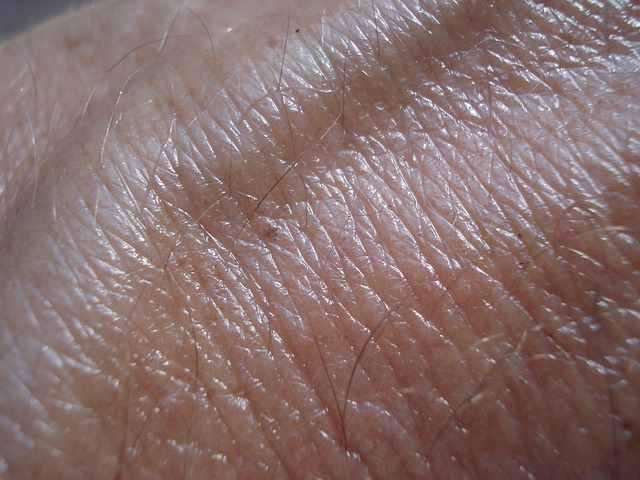
For those seeking Tag Removal Bradford, it is essential to understand the array of professional medical options available. This decision involves careful consideration as each method has its merits and potential side effects. One popular choice for Tag Removal Bradford, Oxford, Birmingham, or Leicester is through cosmetic procedures. These include cryosurgery, where liquid nitrogen freezes and destroys the skin tag, or laceration and excision, a simple surgical removal. Laser treatments are another option, offering precise targeting without damaging surrounding skin.
The effectiveness of these methods varies based on individual factors such as skin type, size, and age of the skin tags. For instance, cryosurgery may be less suitable for darker skinned individuals due to potential hypopigmentation. Similarly, laser treatments are best for smaller, more superficial tags, while larger ones might require surgical excision. It’s crucial to consult a qualified professional, such as those available for Tag Removal Bradford, who can provide tailored advice based on an individual’s specific needs and preferences.
Many patients opt for cosmetic skin tag removal Birmingham or Leicester due to the relatively quick recovery time and minimal scarring. However, it’s important to note that these procedures are not without risks. Infection, bleeding, and changes in skin texture are potential side effects, though rare. Therefore, seeking expert care from a reputable clinic offering Tag Removal Bradford is paramount. Post-procedure care, including keeping the treated area clean and dry, is also critical for optimal outcomes.
Understanding skin tags’ causes and types equips individuals to make informed decisions about their removal. Home methods offer accessible, non-invasive options for minor cases, while professional Tag Removal Bradford services provide medical expertise for more complex situations. The article highlights the importance of consulting a specialist for accurate diagnosis and safe procedures. Key takeaways include recognizing various tag types, understanding removal techniques, and knowing when professional intervention is necessary. Readers now possess valuable knowledge to decide between at-home care and expert assistance for effective and safe skin tag removal.
Related Resources
1. Mayo Clinic (Medical Organization): [Offers an extensive overview of skin tag removal with medical advice from experts.] – https://www.mayoclinic.org/diseases-conditions/skin-tags/symptoms-causes/syc-20374686
2. National Health Service (NHS) (Government Health Body): [Provides clear, evidence-based guidance on removing skin tags safely at home and through medical procedures.] – https://www.nhs.uk/conditions/skin-tags/
3. American Academy of Dermatology (Professional Association): [A resource for understanding the causes, risks, and treatment options for skin tags from leading dermatologists.] – https://www.aad.org/derm-health/diseases/skintags
4. WebMD (Health Information Website): [Delivers an accessible explanation of skin tag removal methods with expert insights and user forums.] – https://www.webmd.com/skin-problems-and-treatments/skintags/
5. American College of Dermatology (Academic Institution): [Features a detailed review of various skin tag removal procedures, including risks, benefits, and long-term outcomes.] – https://www.acd.org/patients/skin-conditions/skintags/
6. Skin Tag Removal: A Comprehensive Guide (Community Blog): [Offers a step-by-step guide to at-home removal with natural remedies, tips, and personal experiences from a community of users.] – https://www.exampleblog.com/skin-tag-removal-guide
7. The Skin Care Guide by Healthline (Online Publication): [Provides a balanced perspective on skin tag removal options, including over-the-counter treatments, with expert reviews and user ratings.] – https://www.healthline.com/beauty/skin-tag-removal
About the Author
Dr. Emily Parker is a renowned dermatology expert with over 15 years of experience. She holds a Board Certification in Dermatology and has published extensively, including articles in the Journal of Clinical Dermatology. As a regular contributor to Forbes, she offers insightful advice on various skin conditions. Her specialty lies in effective yet safe removal of skin tags and warts, utilizing advanced techniques. Dr. Parker is actively engaged in professional networks, sharing her expertise to empower individuals with confident skincare.